

The Future of Renewable Energy: Trends and Innovations
August 26, 2024 | by test@hostinger-wp-tests.com
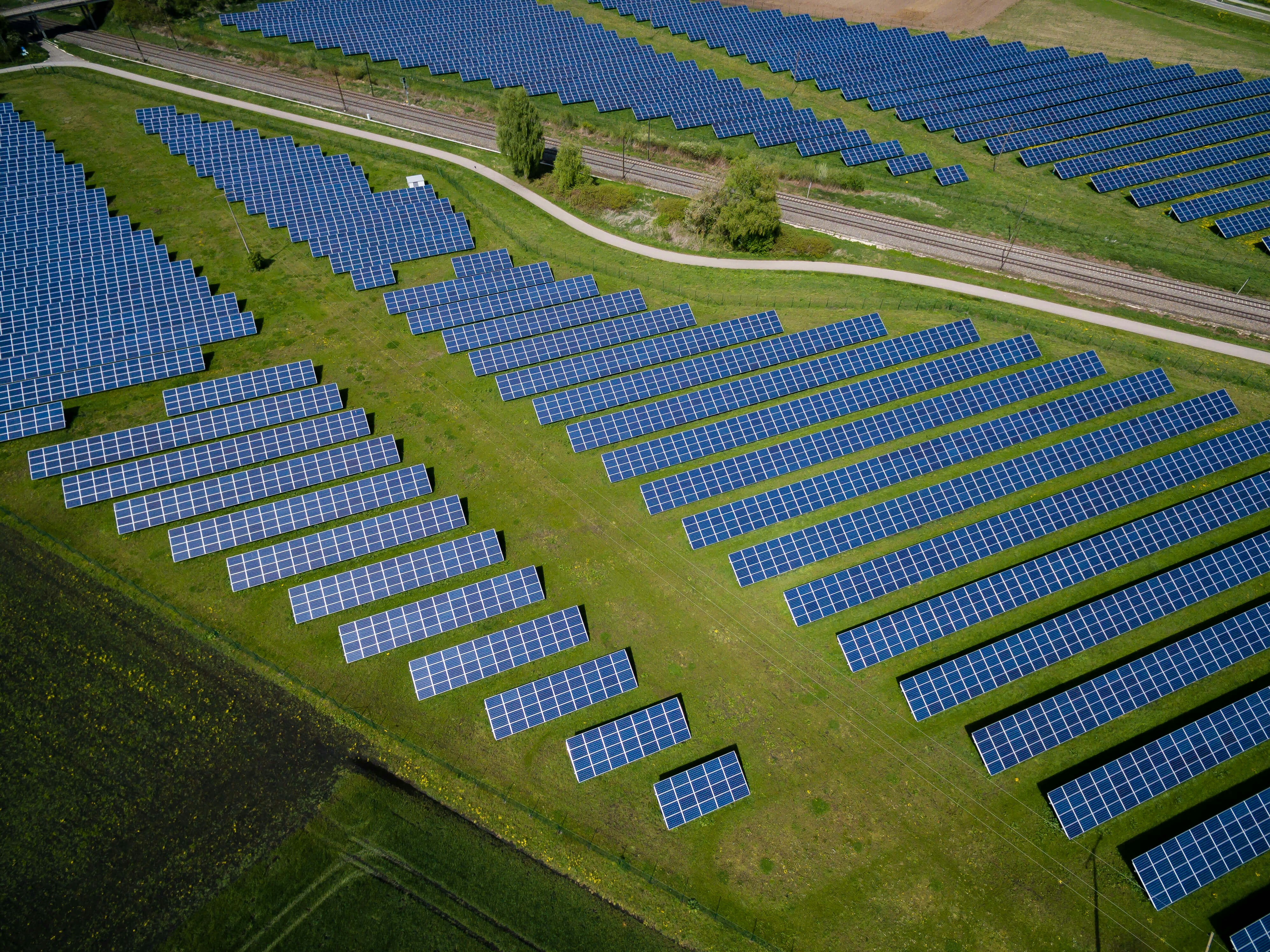 Photo by Andreas Gücklhorn on Unsplash
 The Current State of Renewable Energy
The landscape of renewable energy has significantly transformed over the past decade, characterized by substantial advancements in technology, increased adoption rates, and evolving policy frameworks. Primary sources of renewable energy today include solar, wind, hydro, and geothermal power, each contributing uniquely to the global energy mix.
Solar energy, harnessed via photovoltaic cells, has seen remarkable growth, with installations multiplying globally. According to the International Energy Agency (IEA), solar photovoltaics accounted for 27% of renewable capacity additions in 2020. Wind energy has also experienced substantial advancements, primarily through onshore and offshore wind farms, which collectively contributed around 24% of global new renewable capacity in the same year.
Hydropower, the largest source of renewable electricity, continues to dominate the sector, providing 60% of the world’s renewable power generation, as reported by the IEA. Geothermal energy, while less pervasive than solar and wind, offers baseload generation capabilities and has seen incremental growth in regions with favorable geological conditions.
Leading countries in renewable energy production include China, the United States, and Germany. China, for instance, is the world’s largest producer of solar and wind energy, leveraging substantial governmental support and investment. Similarly, European nations such as Germany have made significant strides through ambitious policy targets and substantial technology investments.
The technological advancements in renewable energy storage solutions have also been noteworthy. Innovations in battery technology and the development of grid-scale storage systems are addressing the intermittency issues associated with solar and wind energy. Policy changes, like the European Union’s Green Deal and various national renewable energy targets, have further bolstered the sector’s growth.
However, challenges persist in the renewable energy sector. High initial capital costs, storage issues, and infrastructural barriers, particularly in developing nations, remain significant hurdles. Moreover, the integration of renewable energy into the existing grid systems requires extensive upgrades and adaptations to accommodate variable energy sources.
Despite these challenges, the trajectory of renewable energy indicates a robust upward trend, underscoring its pivotal role in the transition towards a sustainable energy future.
Emerging Trends and Future Innovations
The renewable energy sector is witnessing significant transformations driven by technological advancements, policy shifts, and international commitments to sustainability. Among the emerging trends shaping the future of renewable energy, advanced solar panels stand out. Innovations like bifacial solar cells and perovskite materials are pushing efficiency boundaries, bringing down costs, and increasing deployment feasibility. Simultaneously, offshore wind farms are garnering attention for their potential to harness stronger and more consistent winds, thereby generating electricity more efficiently than their onshore counterparts.
Another area of promising innovation is next-generation geothermal systems, which are being designed to tap into deeper geothermal resources. With the capability to provide a constant and stable supply of energy, these systems are likely to play a significant role in a future diversified energy mix. The utilization of smart grids and the Internet of Things (IoT) is further optimizing renewable energy usage. Through real-time data monitoring and analytics, these technologies improve grid reliability and energy distribution, ensuring that supply meets the fluctuating demand more effectively.
Policy directions are also pivotal in fostering renewable energy advancements. Governments around the world are setting ambitious targets to reduce carbon footprints, supported by international commitments like the Paris Agreement. These policies are crucial in incentivizing research, development, and deployment of renewable technologies. Additionally, emerging sources such as tidal and wave energy are gradually gaining traction. The potential of these energy sources, especially in coastal regions, adds another dimension to the renewable energy landscape, promising sustainable power generation with minimal environmental impact.
The potential economic and environmental impacts of these trends and innovations are vast. On the economic front, advancements in renewable technologies are expected to create new industries and job opportunities, particularly in the manufacturing and maintenance of renewable energy infrastructure. Environmentally, these innovations promise a significant reduction in greenhouse gas emissions, aiding the global fight against climate change. As the world moves towards a more sustainable future, the continuous evolution and adoption of these emerging trends will be critical in meeting the global energy demand sustainably.
RELATED POSTS
View all

 Photo by Markus Spiske on Unsplash
 The Benefits of Urban Gardening: How to Start Your Own City Oasis
August 26, 2024 | by test@hostinger-wp-tests.com
 Photo by Benjamin Vautier on Unsplash
 The Art of Baking the Perfect Chocolate Cake
August 26, 2024 | by test@hostinger-wp-tests.com
 Photo by Milo Rossi on Unsplash
 A Journey Through Australia’s Great Outdoors: Exploring the Top National Parks
August 26, 2024 | by test@hostinger-wp-tests.com